
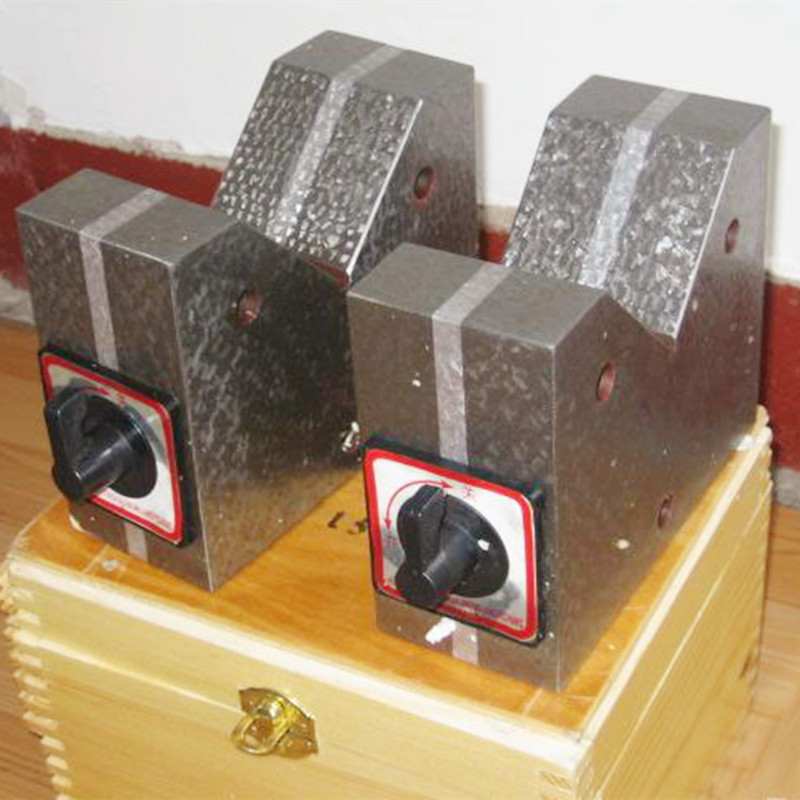
vanity makeup mirror
Understanding Metal Measuring Tools Essential Equipment for Precision Work In the world of manufacturing, engineering, and craftsmanship, precision is paramount. Whether it involves fabricating intricate parts for machinery or creating bespoke designs, accurate measurements are the backbone of quality output. Metal measuring tools play a critical role in this process, enabling professionals to achieve the exact specifications required in various applications. This article explores some of the most commonly used metal measuring tools, their purposes, and best practices for their use. 1. Calipers Calipers are versatile and widely used metal measuring tools essential for any workshop. They are primarily used to measure the distance between two opposite sides of an object. There are different types of calipers, including digital calipers, vernier calipers, and dial calipers. Digital calipers provide a clear, easy-to-read measurement on a digital display, while vernier and dial calipers offer analog readings that require a bit of interpretation. The maximum inside and outside dimensions can be measured, making calipers suitable for a wide range of tasks, from measuring shaft diameters to checking the thickness of sheet metal. 2. Micrometers For those needing even finer measurements, micrometers are the go-to tools. Micrometers are designed to measure small dimensions with great accuracy, usually down to one-thousandth of a millimeter. These tools operate on a screw mechanism that allows for minute adjustments, making them ideal for measuring the thickness of materials, such as sheets of metal or wire. They come in various designs, including outside micrometers, inside micrometers, and depth micrometers, each tailored for specific measuring needs. 3. Tape Measures While often associated with construction, tape measures are indispensable metal measuring tools in many metalworking applications. They are typically made of a flexible metal ribbon marked with measurements, allowing for easy measurement of lengths and widths. Tape measures also come in various lengths, with some retractable models providing convenience for storage and portability. Using a tape measure ensures accurate measurement over longer spans, crucial for cutting or shaping larger metal sections. metal measuring tools 4. Height Gauges Height gauges are essential when precision vertical measurements are necessary. These tools are utilized primarily in machining and inspection processes to determine the height of a workpiece or transfer measurements from a blueprint. Height gauges can be found in both manual and digital forms. Modern digital height gauges offer the added benefit of displaying measurements electronically, allowing for easier reading and recording. 5. Gage Blocks Gage blocks, also known as Johansson Gage blocks, are precision blocks of known dimensions used to calibrate measuring tools and ensure accuracy. These blocks come in various sizes and can be stacked to achieve specific measurements. They serve as a standard reference against which other tools can be measured. This is particularly important in environments where precision is critical, such as in aerospace or automotive engineering. 6. Levels and Squares Though not measuring tools in the traditional sense, levels and squares are indispensable for ensuring that measurements and cuts are square and true. A level ensures that a surface is perfectly horizontal or vertical, crucial when setting up machinery or assembling components. Squares, especially carpenter's squares and machinist's squares, help verify right angles, making them essential for fabrication and assembly. Conclusion Investing in quality metal measuring tools is foundational for anyone engaged in metalworking, whether a seasoned professional or a hobbyist. The precision these tools offer directly impacts the quality of work produced and ultimately determines the success of any project. Understanding the diverse range of tools available and their specific uses enables users to make informed choices for their measuring needs. By employing best practices and regularly calibrating tools, professionals can ensure that their measurements remain accurate and reliable, ultimately contributing to the high standards of workmanship that define excellence in the metalworking industry.
about
vanity makeup mirror
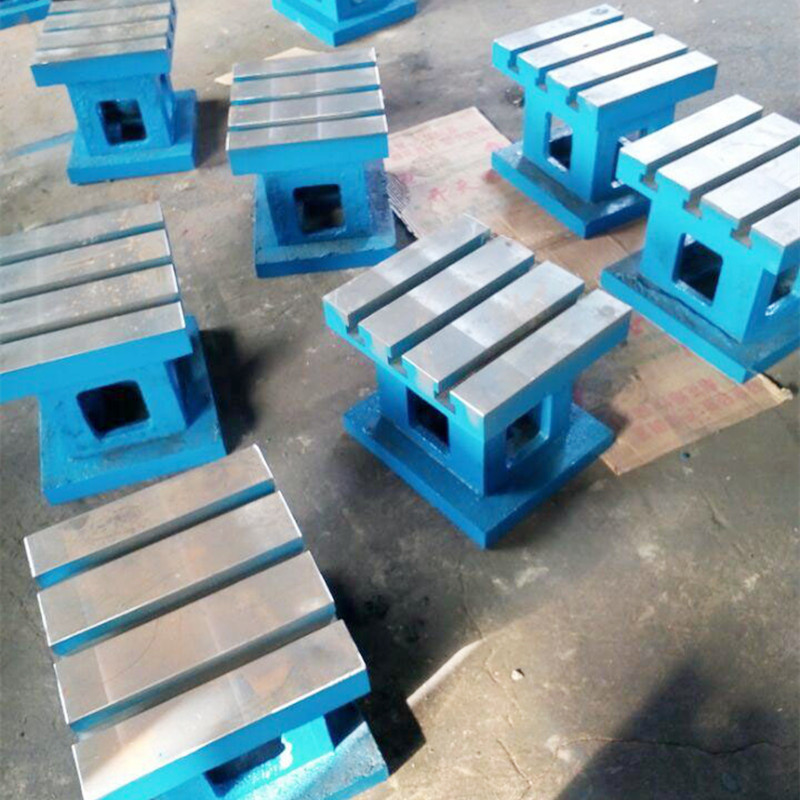
The Importance of Choosing the Right Material for Welding Tables Welding is a precision skill that requires the right tools to produce quality work. Among these tools, the welding table is crucial as it serves as the foundation for many welding projects. When considering the construction of welding tables, one cannot overlook the importance of the material used. The right welding table should be robust, stable, and capable of withstanding the rigors of welding without compromising safety or quality. Material Properties of Welding Tables Welding tables are typically made from a variety of materials, with steel and aluminum being the most common choices. Each material has unique properties that cater to different welding needs. Steel, particularly mild steel, is a popular choice because of its affordable cost and effectiveness in a wide range of applications. Steel tables are strong and durable, providing a solid surface that can withstand high temperatures and heavy loads. Additionally, steel is relatively easy to weld, making repairs or modifications simple. On the other hand, aluminum tables are lighter, which can be an advantage in certain mobile or temporary welding setups. Aluminum also resists corrosion, which is beneficial in work environments that may involve moisture or chemicals. However, it is worth noting that aluminum welding requires special skills and techniques, as it behaves differently than steel during the welding process. Thickness and Design Considerations The thickness of the table material plays a significant role in its performance. A welding table should be thick enough to withstand the heat and weight of the workpieces without warping. Common thicknesses range from 1/4 inch to 1/2 inch for steel tables. Tables that are too thin may bend or deform under stress, which can lead to inaccurate welding and poor-quality joints. The design of the welding table itself is also vital. Many professionals opt for tables with built-in fixtures or slots that allow for easy clamping and positioning of workpieces. These features enhance efficiency and precision during the welding process. Some advanced tables even come equipped with adjustability to accommodate various project needs. welding tables should be made of Surface Treatment and Maintenance The surface treatment of a welding table is an often-overlooked aspect that can enhance its longevity and performance. A smooth surface finish reduces the likelihood of contaminants affecting the weld quality. Additionally, treatment options such as powder coating can provide extra protection against rust and wear. Maintaining a welding table is also crucial for its performance. Regular cleaning to remove slag, spatter, and other debris ensures that the surface remains conducive for precise welds. Neglecting maintenance can result in decreased accuracy and increased wear on tools and workpieces. Safety Considerations Safety is paramount in any welding operation. The material choice for welding tables must not only withstand high temperatures but should also be resistant to certain hazards. Steel tables, for instance, should be sourced from reputable suppliers to ensure that they do not contain harmful alloys that may release toxic fumes when heated. Furthermore, a properly grounded welding table minimizes the risk of electric shock. Adequate grounding helps disperse static electricity and enhances safety during the welding process. Operators should be aware of the grounding requirements and ensure their tables meet all safety standards. Conclusion In essence, choosing the right material for welding tables is a critical decision that impacts the quality of work produced. Steel and aluminum options each offer unique advantages, depending on the specific needs of a welding project. With the right thickness, thoughtful design, and proper maintenance, welding tables can significantly enhance the efficiency and safety of welding operations. Ultimately, investing in a high-quality welding table will contribute to achieving superior welding results and prolonging the lifespan of equipment and materials used in the process.
-

High quality industrial productsagement

High quality industrial products
View Details -

Meet the diverse needs of customers

Meet the diverse needs of customers
View Details -

Strict quality control

Strict quality control
View Details -

Top raw materials

Top raw materials
View Details -

Trusted supplier

Trusted supplier
View Details
Our application

news and information
Using a Spirit Level for Accurate Measurements in Construction and DIY Projects
Understanding the Spirit Level A Essential Tool in Precision Measurement The spirit level, an instru
Válvula Strainer Tipo Y - Proteção Eficiente para Sistemas de Tubulação
Válvula de Strainer do Tipo Y Importância e Aplicações As válvulas de strainer, conhecidas também co
Water Hose Shutoff Valve for Efficient Flow Control and Leak Prevention
Water Hose Shut Off Valve A Necessary Tool for Efficient Water Management Water is one of the most p
 English